Posterior Pelvic Tilt vs Anterior Pelvic Tilt

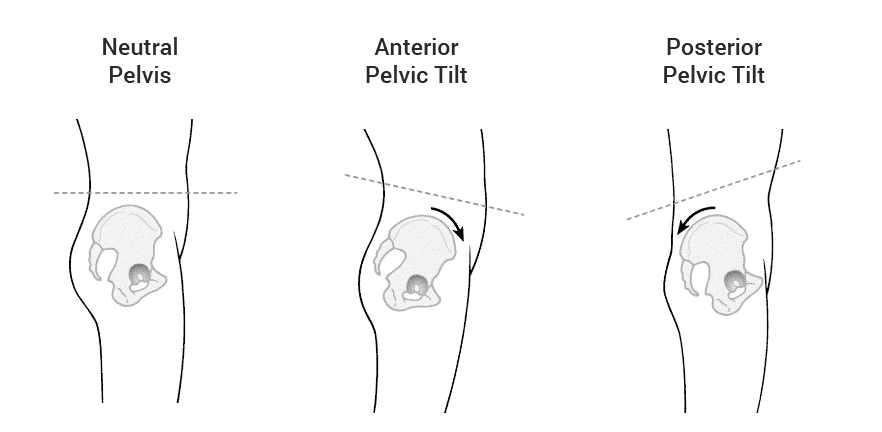
If you’ve ever struggled with low back pain, poor posture, or limited range of motion, your pelvic tilt might be the root of the issue. Understanding the difference between posterior pelvic tilt and anterior pelvic tilt — and knowing when to activate each — can drastically improve your movement, stability, and performance in the gym.
What is Anterior Pelvic Tilt?
Anterior pelvic tilt happens when your hip bones rotate forward, causing an arch in your lower back and your glutes to stick out. This is common in people who sit for long hours or have weak core and glute muscles.
Problems with excessive anterior tilt:
- Tight hip flexors
- Overstretched hamstrings
- Low back pain
- Poor glute activation
How to correct it:
You want to strengthen your core and glutes while stretching your hip flexors and lower back.
Example exercises:
- Glute bridges
- Dead bugs
- Planks
- Hip flexor stretches
What is Posterior Pelvic Tilt?
Posterior pelvic tilt is the opposite — your hips tuck under, flattening the lower back. This often results from overactive glutes and hamstrings or underactive hip flexors and spinal extensors.
Problems with excessive posterior tilt:
- Loss of spinal curve
- Restricted movement in squats/deadlifts
- Potential knee strain
How to correct it:
You want to strengthen the lower back and hip flexors while stretching the hamstrings and glutes.
Example exercises:
- Supermans
- Standing hip flexor raises
- Cobra pose (for lumbar extension)
- Romanian deadlifts with emphasis on lumbar curve
Why Does This Matter?
When lifting — especially during compound movements like squats or deadlifts — being able to control your pelvic tilt can make or break your form.
- During a squat, you may want to maintain a neutral to slight anterior tilt to preserve spinal alignment and allow for deep hip movement.
- During core work or glute bridges, posterior pelvic tilt is key to eliminate lower back involvement and truly engage your glutes and abs. When you do ANY core/abdomine focused workout laying on your back think “lower back down/belly button to spine”.
How to Activate and Control Tilt
- For posterior tilt, think about tucking your tailbone under and squeezing your glutes. This flattens your lower back.
- For anterior tilt, stick your butt slightly back and arch your lower spine while maintaining core control.
It’s all about being aware of your body and adjusting based on the movement.
Final Thoughts
Learning how to control and correct your pelvic tilt is one of the most underrated tools for improving form, avoiding injury, and unlocking better results. The goal is not to stick with one position — it’s knowing when and how to use both.
Master your pelvis, master your movement.
You Got This!

Subscribe to our newsletter and be the first to find out about new articles.