How Quality of Sleep Affects Your Workout


We all know sleep is important — but when it comes to your workouts, the quality of your sleep might matter even more than the amount. You can get 8 hours of poor sleep and still feel groggy, or 6–7 hours of deep, restorative sleep and feel energized and ready to train. So how exactly does your sleep quality affect your performance in the gym?
Why Sleep Quality Matters
Sleep isn’t just rest — it’s when your body repairs, recovers, and grows. During deep sleep and REM (rapid eye movement) cycles, your body releases vital hormones like growth hormone and testosterone, which are key for muscle recovery and building strength. Without enough time in these deeper stages of sleep, your muscles don’t heal as effectively, and your nervous system doesn’t reset properly.
The Positives of High-Quality Sleep
- Faster Muscle Recovery: Deep sleep allows tissues and muscles to repair more efficiently, which means less soreness and quicker bounce-back between sessions.
- Improved Performance: With better sleep, you’ll see boosts in strength, endurance, coordination, and even motivation.
- Better Hormonal Balance: Quality sleep keeps stress hormones like cortisol in check and supports anabolic hormones like testosterone and growth hormone — crucial for gaining muscle and burning fat.
- Sharper Focus: Mental clarity and sharpness improve with good sleep, which helps with mind-muscle connection and workout intensity.
What Happens with Poor Sleep?
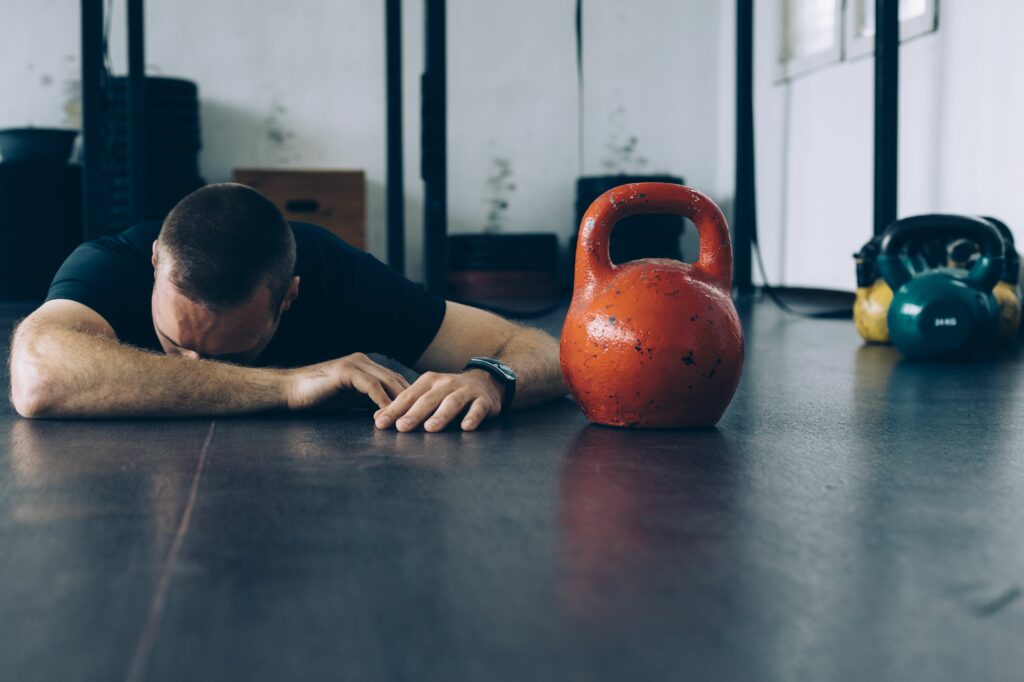
- Weakened Performance: Poor sleep impacts strength, coordination, and stamina. You may feel sluggish and less explosive.
- Higher Injury Risk: A tired body and foggy mind increase the risk of bad form, poor decisions, and injury.
- Slower Recovery: You won’t recover properly between workouts, leading to lingering soreness or plateaus.
- Increased Cravings & Fatigue: Lack of sleep disrupts hunger hormones, making you crave junk food and feel unmotivated to train.
How to Improve Sleep Quality
- Stick to a consistent bedtime (even on weekends).
- Limit screen time an hour before bed to reduce blue light exposure.
- Create a dark, cool, and quiet environment.
- Avoid caffeine late in the day, and don’t overtrain, which can lead to restless sleep due to nervous system overload.
Final Thoughts
Sleep is just as important as your training and nutrition. If your workouts feel off or your progress has stalled, look at your sleep quality. Prioritizing deep, restful sleep could be the game-changer your body needs.
Train hard. Recover harder. Sleep like it’s part of the plan — because it is.
You Got This!

Subscribe to our newsletter and be the first to find out about new articles.